Polk Systems Blog
Why We Design for the Person Who Hates Technology
May 12, 2026 · greg polk
The best smart home is not the one with the most apps, screens, or voice commands. It is the one that feels natural enough for everyone in the house to use, including the person who hates technology.
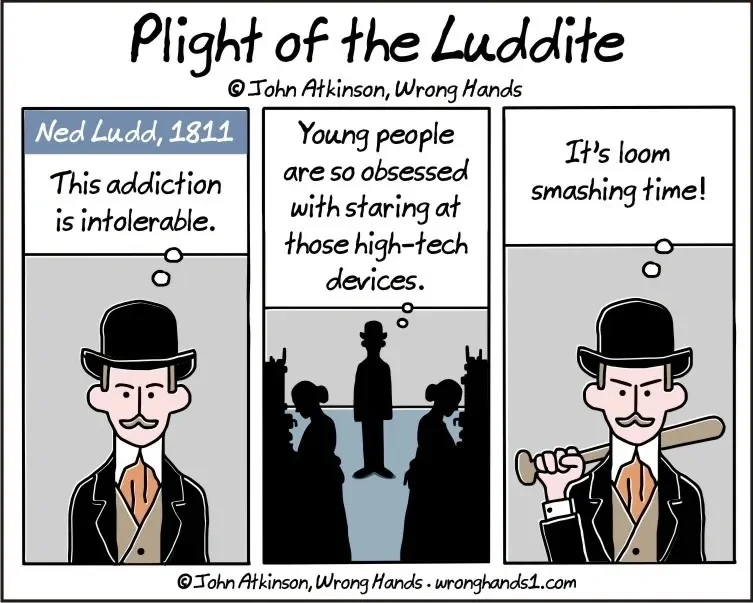
Most smart home systems are designed for the person who enjoys technology.
They assume someone wants to open apps, manage accounts, use voice commands, create routines, troubleshoot Wi-Fi devices, and learn how every product works.
But that is not how most homes operate.
In a real home, not everyone wants technology to be the center of attention. Some people do not want another app. Some do not want to remember voice commands. Some do not want a screen on the wall. Some just want the light to turn on, the door to lock, the room to feel comfortable, and the home to work without asking for constant attention.
That is why Polk Systems designs smart homes for the person who hates technology.
Because if that person can use it, everyone can.
A smart home should not feel like work
A common mistake in smart home design is confusing features with usability.
More devices do not automatically make a home smarter. More apps do not make life easier. More voice commands do not mean the system is better.
A smart home should reduce effort, not create more of it.
If someone has to remember which app controls the blinds, which app controls the lights, which app controls the camera, and which voice phrase turns on the right scene, the system has already become too complicated.
The home should not feel like a technology project. It should feel like a better version of the home people already understand.
That starts with familiar controls.
The light switch still matters
One of the most important smart home interfaces is still the light switch.
Everyone understands it. Guests understand it. Children understand it. Elderly parents understand it. The person who hates technology understands it.
That makes it powerful.
A properly designed smart switch can do more than turn one light on and off. It can trigger a room scene, adjust multiple lights, control blinds, start a nighttime path, or activate a privacy mode.
But to the person using it, it still feels familiar.
Press up. Press down. Double-tap. Hold.
That is the kind of automation that disappears into daily life. The system becomes more capable without becoming harder to use.
Voice control should be optional
Voice assistants can be useful, but they should not be required.
A home that only works when someone remembers the right phrase is not a well-designed smart home. Voice control should be a convenience layer, not the foundation.
People should be able to control the home through normal switches, buttons, sensors, schedules, and automations. Voice can be added for convenience, but the home should not depend on it.
That is especially important for guests, family members, elderly parents, and anyone who simply does not want to talk to their house.
A good smart home should work whether someone uses voice commands or never uses them at all.
Apps are for management, not daily living
Apps are useful for setup, advanced control, and remote access. They are not always the best daily interface.
If a person has to pull out a phone to turn on a light, the smart home has made a simple task slower.
The goal should be:
Normal actions still work.
Common routines happen automatically.
Advanced controls are available when needed.
The app is there, but daily life does not depend on it.
That is the difference between a smart home that looks impressive and a smart home that people actually enjoy using.
The best automation feels obvious
Good automation should feel natural.
Lights should come on when they are needed. Blinds should adjust based on sunlight, privacy, and comfort. Exterior lights should respond to cameras and motion. The thermostat, fans, vents, and shades should work together instead of fighting each other.
But the system should also know when to stay out of the way.
That is the real challenge.
Automation should not surprise people, trap them, or make them feel like the house is making decisions they cannot override. Every important automation needs a clear manual override. If someone turns a light off, the system should respect that. If someone changes a scene, the system should not immediately fight them.
A smart home should feel helpful, not controlling.
Reliability matters more than flash
The person who hates technology usually does not care how advanced the system is. They care whether it works.
If a light switch fails because the internet is down, the system feels broken. If a camera stops recording because a cloud service changed terms, the system feels untrustworthy. If a lock, light, or automation depends on five different companies talking to each other, the homeowner is the one who suffers when something changes.
That is why local-first design matters.
A local-first smart home keeps the core functions inside the home whenever possible. Lights, scenes, automations, sensors, and routines should continue working even if the internet is unavailable.
Cloud services can be useful, but they should not be the foundation for basic control.
The person who hates technology does not want excuses. They want the home to work.
Privacy is part of usability
People who dislike technology often have good reasons.
They do not want to be tracked. They do not want every device listening. They do not want cameras and microphones tied to accounts they do not understand. They do not want to feel like they traded convenience for privacy.
A smart home should respect that.
Privacy-first design means collecting less, keeping more control local, and avoiding unnecessary dependence on cloud platforms. It means choosing systems that support the homeowner instead of turning the homeowner into the product.
A home should feel safer and more comfortable because of automation, not more exposed.
Designing for the least technical person improves the whole home
When a system is designed for the most technical person in the house, everyone else has to adapt.
When a system is designed for the least technical person in the house, everyone benefits.
The controls become clearer. The automations become more thoughtful. The system becomes easier to maintain. Guests are less confused. Family members are less frustrated. The home becomes more reliable because the design is built around real behavior instead of ideal behavior.
That is why designing for the person who hates technology is not a limitation. It is a higher standard.
It forces the system to be simple, practical, and dependable.
Smart should feel simple
The best smart home does not constantly announce how smart it is.
It quietly handles the repetitive things. It protects the home. It makes rooms more comfortable. It helps save energy. It turns on the right lights. It closes the blinds when the sun is too harsh. It alerts when something is wrong. It gives control back to the homeowner.
And when someone walks up to a switch, the switch still works.
That is the point.
Smart home technology should not make people feel like they need to become technical. It should make the home easier to live in.
At Polk Systems, we design for the person who hates technology because that is how we build systems people actually use.
Not just on the first day.
Every day.