Polk Systems Blog
Guest Bedroom Automation That Saves Energy Without Making Guests Think
May 22, 2026 · greg polk
A guest bedroom is one of the easiest rooms in a home to waste energy because it may sit empty for days while still being heated, cooled, or lit like an occupied space. This automation uses presence detection, smart vents, motorized blinds, a smart switch, and low-level hallway lighting to make the room comfortable when someone is there and more efficient when it is empty.
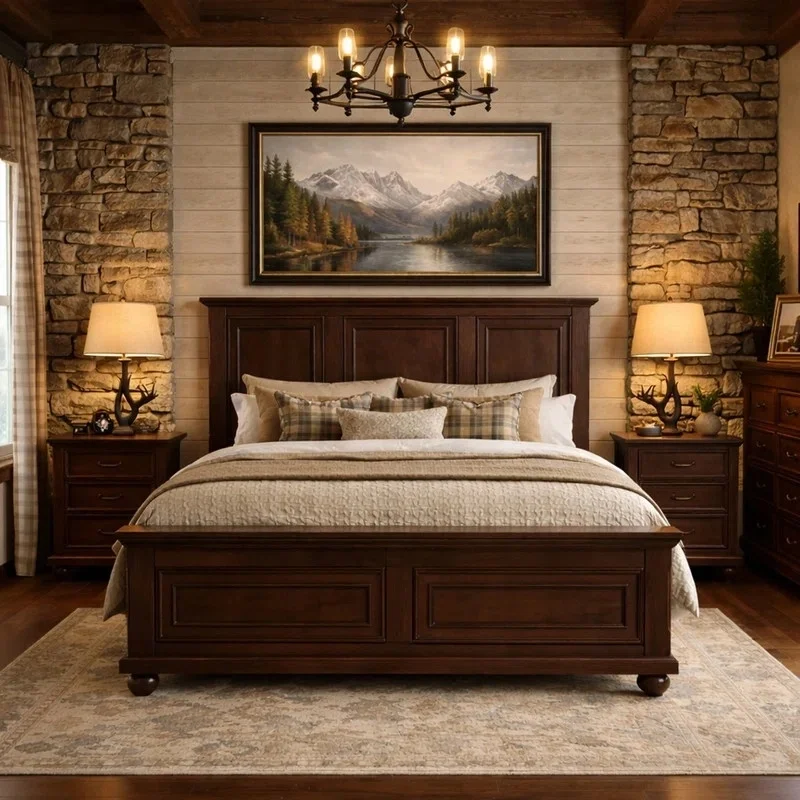
A guest bedroom is one of the best examples of why real home automation matters.
Most of the time, a guest bedroom is empty. Nobody is sleeping there. Nobody is watching TV there. Nobody is using the lights, the blinds, or the conditioned air being pushed into the room.
But in many homes, that room is still treated like every other occupied space.
The HVAC system may keep sending air into it. The blinds may stay open during the hottest part of the day. A light may be left on by mistake. At night, a guest may have to stumble through a dark hallway to find the restroom.
A smart home should solve problems like that quietly.
This guest bedroom automation is designed around a simple idea:
Make the room comfortable when someone is there.
Save energy when the room is empty.
Keep the controls simple enough for any guest to use.
The Devices Involved
This automation uses several pieces working together:
Presence detector
Smart vent
Motorized blinds
Smart switch
Hallway light leading toward the restroom
Local home automation controller
Each device has a job.
The presence detector tells the system whether someone is actually in the room. The smart vent helps control how much heating or cooling is delivered. The blinds manage privacy, daylight, glare, and heat. The smart switch gives the guest normal wall-switch control. The hallway light provides a safe path to the restroom at night without turning the house into a stadium.
The value is not in one device.
The value is in the way the system understands the room.
What Happens When Presence Is Detected
When presence is detected in the guest bedroom, the room can shift into an occupied mode.
That can trigger actions such as:
Opening or adjusting the smart vent
Allowing more conditioned air into the room
Adjusting the blinds for privacy or comfort
Making lighting behavior more responsive
Preparing the room for guest use
The room starts acting like someone is there because someone actually is there.
This is different from a simple schedule. A schedule guesses. Presence detection responds.
If the room is empty, the system can back off. If someone enters the room, the system can make it comfortable again.
That is where automation becomes useful.
How the Smart Vent Saves Energy
A guest bedroom does not need the same airflow when it is empty as it does when someone is sleeping in it.
The smart vent helps reduce wasted heating and cooling by limiting unnecessary airflow when the room is vacant. When someone is detected, the vent can open or adjust so the room becomes comfortable again.
That can help reduce waste in two ways:
Less conditioned air is sent into an empty room.
Comfort is prioritized when the room is actually being used.
This does not mean the room is ignored. It means the home stops treating an unused space like an occupied space all day long.
A normal house keeps pushing comfort everywhere. A better automated home sends comfort where it is needed.
How the Blinds Help With Comfort and Efficiency
Motorized blinds are not just a convenience feature. They can be part of the comfort and energy strategy.
In a guest bedroom, blinds can help manage:
Privacy
Morning light
Afternoon heat
Glare
Room temperature
Guest comfort
During hot parts of the day, the blinds can reduce solar heat gain. That helps the room stay cooler and reduces unnecessary HVAC demand.
At night, the blinds can close for privacy. In the morning, they can open or partially open depending on the desired experience.
The guest does not need to know the automation exists. The room simply feels prepared.
The Smart Switch Keeps It Familiar
A good smart home should never make a guest feel confused.
That is why the smart switch matters.
A guest should be able to walk into the room and use the wall switch like a normal switch. They should not need an app. They should not need a voice assistant. They should not need instructions.
The switch keeps the room familiar.
Behind the scenes, the system can still use that switch as part of larger automation logic. But to the guest, it is just a light switch.
That is one of the most important design rules for Polk Systems:
The home should feel smarter, not harder to use.FindMe: Finding the Switch in the Dark
Another small but important guest-friendly detail is the FindMe feature on the light switches.
At night, a guest should not have to wave their hands around a dark wall trying to find the switch. The FindMe feature gives the switch a subtle locator light so it can be found in the dark without lighting up the whole room.
That matters in a guest bedroom because the person using the room may not know where everything is yet. They may not know where the switch is, which switch controls which light, or how the room is laid out.
The 15% Hallway Light to the Restroom
One of the most useful parts of this automation is also one of the simplest.
At night, if someone leaves the guest bedroom and heads toward the restroom, the hallway light can come on at 15%.
That is bright enough to help them see where they are going, but dim enough that it does not fully wake them up or disturb the rest of the home.
A basic motion light might turn on at full brightness. That can be harsh in the middle of the night.
A better automation understands context.
At 2:00 AM, the goal is not maximum brightness. The goal is safe movement with minimal disruption.
That 15% hallway light is the kind of detail that makes a smart home feel thoughtful instead of flashy.
How This Saves Money
This automation saves money because it reduces waste without depending on someone remembering to change settings manually.
Savings can come from several places:
Reduced airflow into an unused guest room
Better control of sunlight and heat through the blinds
Lights that respond to actual use
Low-brightness nighttime guidance instead of full-bright lighting
Less unnecessary conditioning of rarely used space
The system is not just turning things on and off. It is making better decisions based on whether the room is actually occupied.
That is the difference between remote control and automation.
Remote control means you can open an app and change something.
Automation means the home already knows what should happen.
Why This Matters for Guests
Guest rooms have a different challenge than regular bedrooms.
The guest does not know your house. They may not know which switch controls which light. They may not know where the restroom is. They may not be comfortable using voice commands or smart home dashboards.
That means the automation has to disappear into the experience.
The guest should not have to learn the system.
The room should feel simple:
The wall switch works.
The room feels comfortable.
The blinds provide privacy.
The hallway softly lights the way at night.
The house quietly saves energy when the room is empty.
That is the kind of automation people remember, even if they never see the technology behind it.
Local Control Matters
This type of automation is also a good example of why local control matters.
A guest bedroom automation should not depend on the internet just to decide whether a vent should open, a hallway light should turn on, or blinds should close for privacy.
Those are basic home functions.
A properly designed local-first system can keep those automations running inside the home. The room can still respond even if the internet is down.
That matters because comfort, safety, privacy, and lighting should not depend on a cloud service answering in time.
A Better Way to Think About Smart Homes
A smart home should not be a pile of apps.
It should be a coordinated system.
This guest bedroom automation combines presence detection, airflow control, blinds, lighting, and normal wall-switch behavior into one practical experience.
The room saves energy when empty.
It becomes comfortable when occupied.
It protects privacy at night.
It softly lights the way to the restroom.
It keeps the controls simple for the guest.
That is what real automation should feel like.
Not complicated.
Not flashy.
Not dependent on someone opening an app.
Just useful.